The best team conversation you've ever had probably didn't happen in a conference room. It happened over dinner, or on a walk, or late at night when the formal agenda was done.
That's the paradox of team retreats: the most valuable moments are usually unplanned. Your job as a host is to create conditions where those moments can happen.
Planning the Perfect Retreat
Start with clarity about what you're trying to achieve. Are you building relationships? Solving a specific problem? Celebrating a milestone? Planning the next quarter?
Your goal shapes everything else: location, duration, activities, structure.
But here's what most people get wrong: they over-plan. They fill every hour with structured activities, leaving no space for the informal connection that actually builds teams.
The best retreats have rhythm: some structure, lots of space. Planned activities that bring people together, then unstructured time where real conversations can happen.

Creating Space for Connection
Connection doesn't happen on command. You can't schedule it for 2pm on Tuesday.
But you can create conditions where it's more likely to emerge:
Shared meals. Cooking and eating together breaks down hierarchies. The CEO chopping vegetables alongside the intern creates a different dynamic than a conference room.
Physical activity. Walking meetings or group hikes create side-by-side conversation that feels less formal than face-to-face. People open up differently when they're moving.
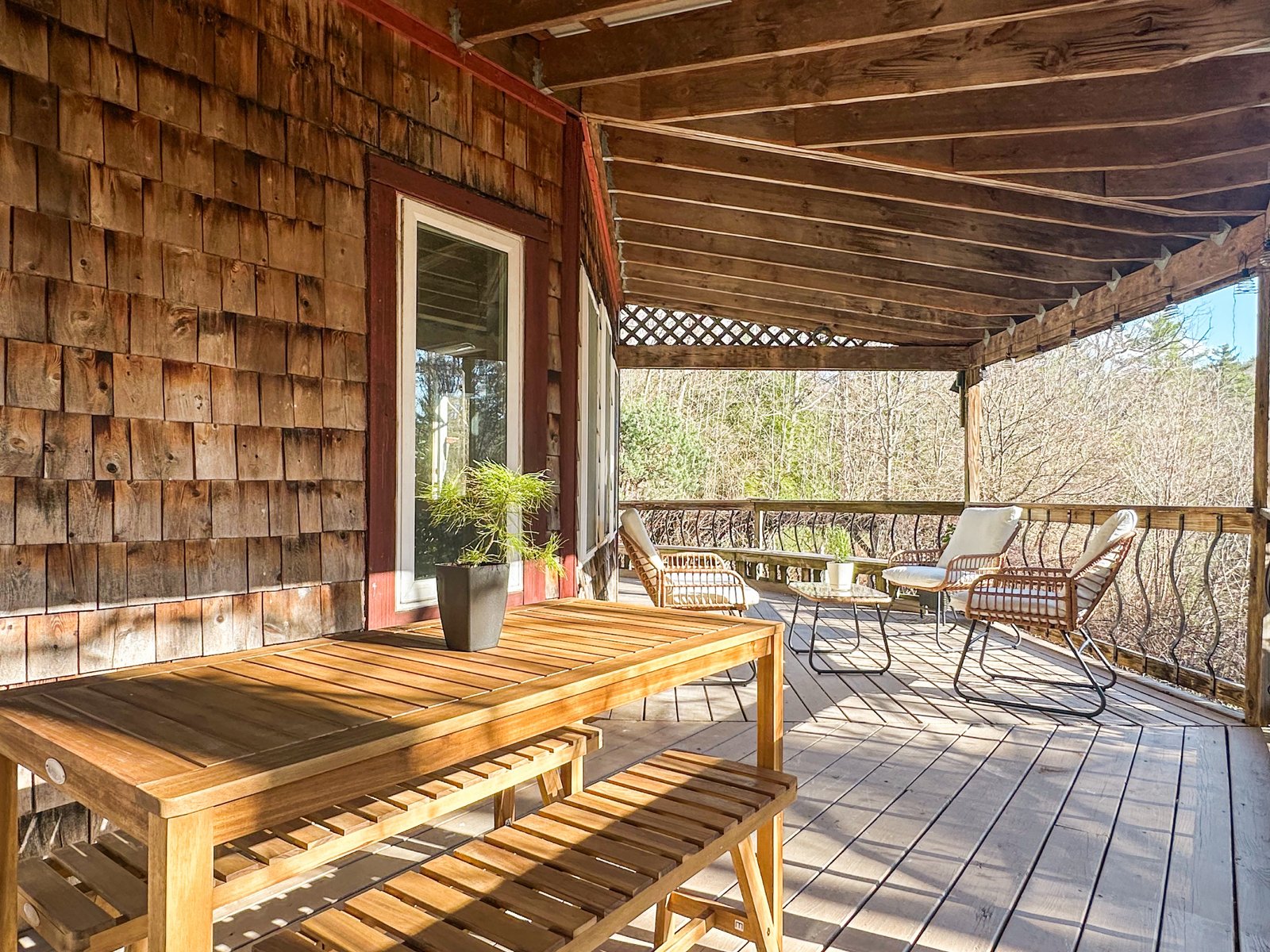
Unstructured time. The best conversations happen in the margins. Leave space for people to gather naturally — around a fire, on a deck, in the kitchen while making coffee.
Comfortable spaces. Create multiple gathering spots with different energy levels. A quiet reading nook for introverts. A lively common area for extroverts. Outdoor spaces for those who need air.
The Energy Shift
Watch what happens when a team arrives at a retreat. They're still in work mode — checking phones, talking about projects, maintaining professional distance.
Then something shifts. Usually around the first shared meal or the first morning coffee on the deck. The warmth of food and laughter, the absence of office walls, the permission to slow down.
People start to relax. Conversations go deeper. The artificial boundaries of "work relationships" start to dissolve into something more human.
Your job is to protect this shift. Don't rush back into work mode. Let people settle into the space and each other.
"We don't build teams. We create conditions where teams build themselves."
Activities That Matter
The best retreat activities serve a purpose beyond filling time. They create shared experiences that become reference points for the team.
Morning nature walks. Start each day with an optional group walk. No agenda, just movement and conversation. Those who need quiet can walk alone. Those who want connection can walk together.
Working sessions with breaks. If you need to accomplish specific work, structure it in focused 90-minute blocks with real breaks between. Don't try to power through eight hours straight.
Skill shares. Let team members teach each other something unrelated to work. Cooking, photography, meditation, whatever. It reveals different sides of people.
Reflection time. Build in solo time for people to process and think. Not every moment needs to be social.
Evening gatherings. Fire pit conversations, board games, or just sitting together. No forced team-building exercises. Just space to be human together.
The Power of Shared Meals
Never underestimate the bonding power of cooking and eating together. There's something about collaborative meal preparation that breaks down barriers.
Assign cooking teams that mix people who don't usually work together. The junior developer and the senior manager chopping vegetables side by side creates a different relationship than their usual dynamic.
Keep meals simple. The goal isn't culinary perfection — it's collaboration and conversation. Pasta, salads, grilled vegetables. Food that's easy to prepare together.
The cleanup is as important as the cooking. Some of the best conversations happen while washing dishes together.
Balancing Structure and Space
Here's a sample rhythm that works well for a 3-day retreat:
Day 1: Arrive, settle in, shared dinner, evening gathering. Keep it light. Let people decompress from travel and transition out of work mode.
Day 2: Morning walk, focused work session, long lunch, afternoon free time, group dinner, evening activity. This is your productive day, but with plenty of breaks.
Day 3: Morning reflection, light planning session, early lunch, departure. Don't try to squeeze in one more meeting. Let people leave feeling restored, not exhausted.
Adjust based on your team's needs, but maintain the principle: structure for productivity, space for connection.
Why Northstead Works for Groups
At Northstead, the 27.7 private acres create a unique dynamic for team retreats. You're together, but you're not on top of each other.
People can take a solo walk in the woods when they need space. They can gather on the deck when they want connection. They can work in the dedicated office when they need focus.
The privacy matters too. No other guests means no performance. Your team can be loud, quiet, silly, serious — whatever they need to be without awareness of strangers.
The natural setting does something to group dynamics. Conversations that would feel forced in a conference room flow naturally when you're surrounded by forest.
What Not to Do
Avoid these common retreat mistakes:
Over-scheduling. If every hour is planned, you eliminate the space where real connection happens.
Forced fun. Trust falls and rope courses have their place, but they're not necessary. Sometimes the best team building is just being human together.
Ignoring introverts. Not everyone recharges through constant social interaction. Build in quiet time and solo activities.
Bringing work stress. If you're going to discuss difficult topics, do it early in the retreat, then move on. Don't let conflict dominate the entire experience.
Skipping meals. Shared meals are where connection happens. Don't work through lunch or order individual takeout.
The Follow-Through
The retreat doesn't end when people leave. The real value is what you do with the connections and insights afterward.
Within a week, send a summary of key decisions and action items. Include photos from the retreat — not just the work sessions, but the shared meals and informal moments.
Reference retreat conversations in regular work. "Remember what we talked about on the deck?" This keeps the connection alive.
Schedule the next retreat before people leave. Make it a regular rhythm, not a one-time event.
Measuring Success
How do you know if a retreat worked? Not by how many agenda items you completed.
Look for these signs:
People are reluctant to leave
Conversations continue naturally until the last minute
Team members reference retreat moments in regular work
Communication improves in the weeks after
People ask when the next retreat is
The best retreats create a shared experience that becomes part of the team's identity. "Remember when we..." becomes a way of reinforcing connection.
Your Team's Transformative Retreat
The difference between a good retreat and a transformative one isn't the activities or the location. It's whether you create space for people to connect as humans, not just colleagues.
That requires letting go of control. Trusting that unstructured time will be valuable. Believing that the informal moments matter as much as the planned ones.
When you get it right, you don't just build a stronger team. You create relationships that make the work itself more meaningful.
Plan a team retreat