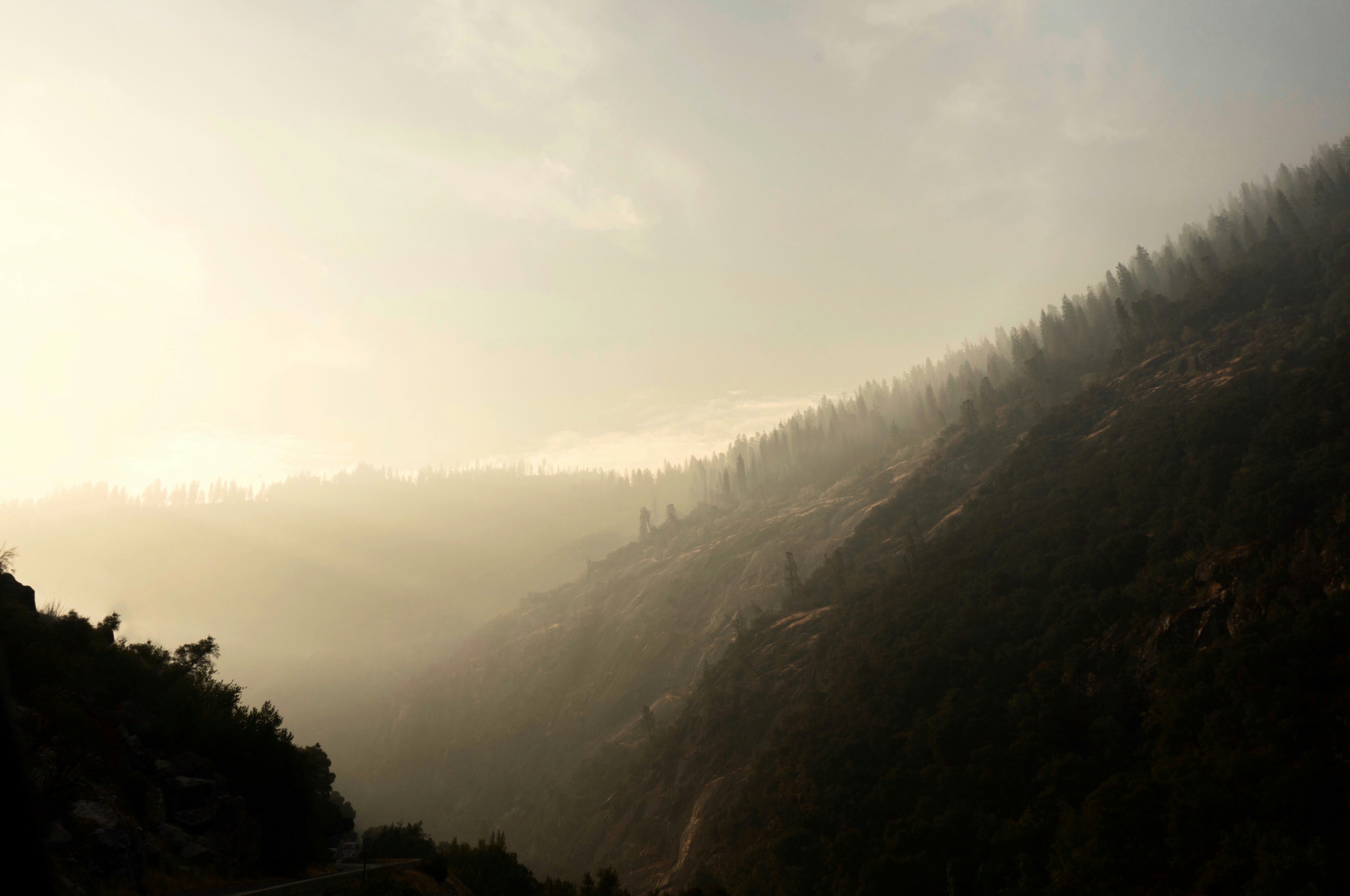
The first morning at elevation, you notice something different. The air feels sharper, cleaner. Your thoughts seem to settle in a way they don't at sea level.
This isn't just perception. There's real science behind why mountain retreats restore mental clarity.
The Science of Mountain Clarity
When you're surrounded by mountains, your brain shifts into a different mode. Researchers call it "soft fascination" — a state where your attention is engaged but not strained.
Unlike the "hard attention" required for work and city life, soft fascination allows your mind to rest while remaining alert. You notice the way light moves across peaks. You hear distant birdsong without trying to identify the species. You're present without effort.
This state is restorative. Studies show that even brief exposure to mountain environments reduces cortisol, improves focus, and enhances creative problem-solving.
But the benefits go deeper than a temporary mood boost. Regular time at elevation can actually change how your brain processes stress.
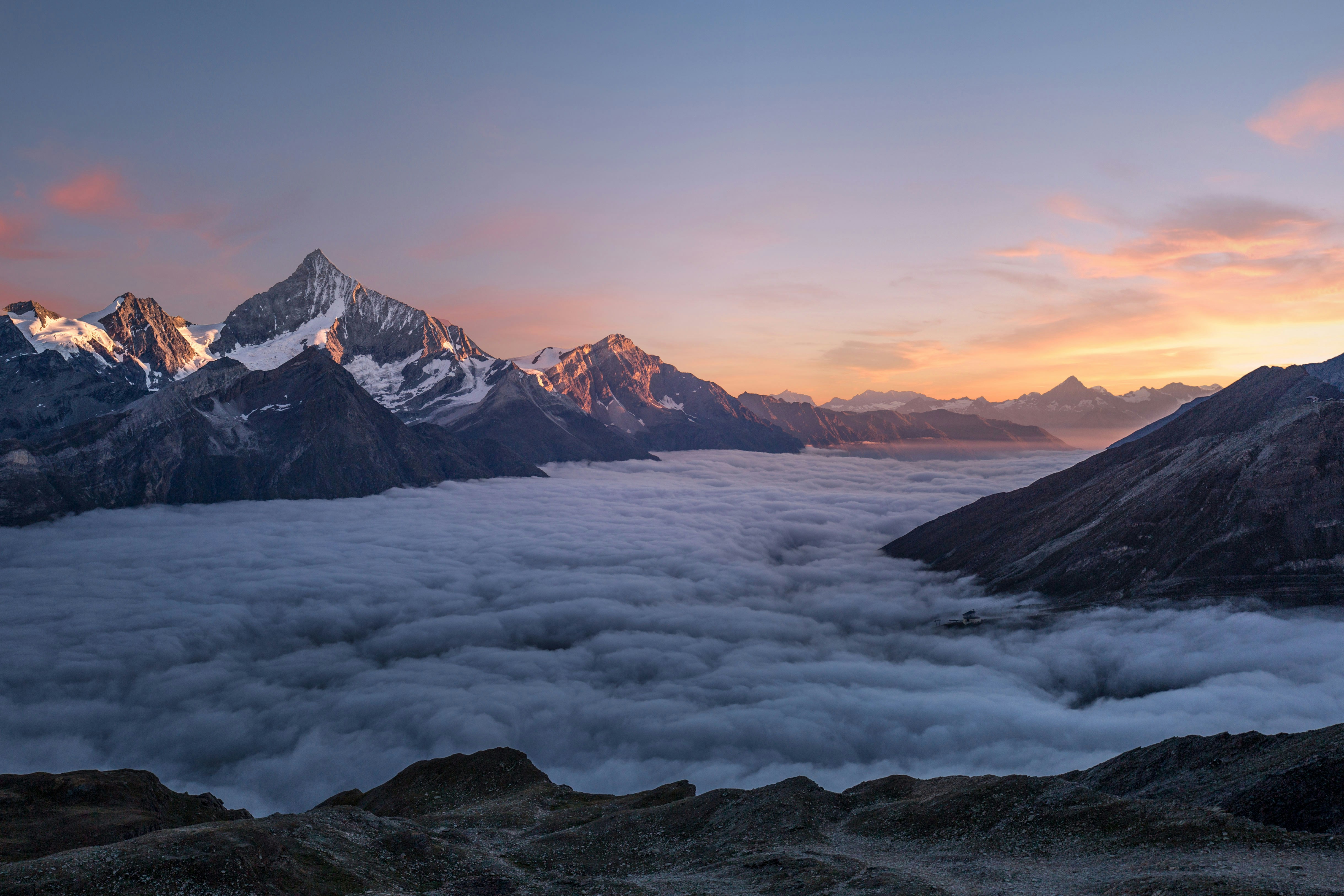
What Happens When You Disconnect
At a mountain retreat, you're not just changing your location. You're removing the constant low-level stimulation that keeps your nervous system on alert.
No traffic noise. No sirens. No awareness of neighbors or strangers. Just the quiet rustle of wind through trees and the occasional call of a hawk circling overhead.
Your body responds to this absence of threat. Heart rate slows. Breathing deepens. The tension you've been carrying in your shoulders — the kind you don't notice until it's gone — finally releases.
This isn't relaxation in the spa sense. It's something more fundamental: your nervous system downshifting from constant vigilance to actual rest.
The Elevation Effect
There's something specific about being at elevation that amplifies these benefits. The air is thinner, which means your body works slightly harder to oxygenate your blood.
This mild stress — what researchers call "hormetic stress" — triggers adaptive responses. Your body produces more red blood cells. Your cardiovascular system becomes more efficient. Your brain gets better at using oxygen.
The result is a kind of clarity that's hard to achieve at sea level. Thoughts that felt tangled suddenly have obvious solutions. Decisions that seemed impossible become straightforward.
"The mountains are calling and I must go." — John Muir
Why Solitude Matters
The combination of mountains and solitude creates conditions for deep mental reset. When you're alone with the landscape, you're not performing for anyone. You're not moderating your behavior or managing social dynamics.
You can think without interruption. Process without distraction. Simply be without the constant awareness of others that keeps you in "public mode."
At Northstead's mountain sanctuary, this solitude is protected by 27.7 private acres. No neighbors. No shared property. No awareness of other people that prevents you from fully settling into the quiet.

The Morning Ritual
The best time to experience mountain clarity is early morning. Before the day heats up, before your mind fills with tasks and obligations.
Step outside with coffee. The air is cool enough to feel on your skin. The forest is waking up — birds calling to each other, light just starting to filter through the canopy.
You don't need to do anything. Just stand there. Breathe. Notice.
This simple practice — being present in a mountain environment without agenda — is more restorative than any meditation app or wellness program.
What Research Shows
The benefits of mountain retreats aren't just anecdotal. Research consistently shows that time in mountain environments:
Reduces symptoms of anxiety and depression
Improves attention span and focus
Enhances creative problem-solving
Lowers blood pressure and heart rate
Improves sleep quality
Boosts immune function
These effects are strongest when you're in a truly natural environment — not a developed resort area, but actual wilderness or protected land.
The Clarity Timeline
Most people notice changes in a predictable pattern:
Day 1: You're still carrying the mental noise from daily life. Your mind keeps returning to work, obligations, unfinished tasks.
Day 2: The mental chatter starts to quiet. You notice you're checking your phone less. Time feels different — slower, less fragmented.
Day 3: Clarity emerges. Problems that felt overwhelming now have obvious solutions. You can think without the constant background static of stress.
Day 4+: You settle into a different baseline. Your nervous system has downshifted. You're thinking more clearly than you have in months.
Bringing It Home
The goal of a mountain retreat isn't just to feel good while you're there. It's to reset your baseline so you return to daily life with more clarity and resilience.
After experiencing what your mind feels like without constant stimulation, you become more protective of your mental space. You notice when you're slipping back into patterns of fragmented attention and chronic stress.
You start building in small practices: morning quiet before checking your phone, walks without headphones, evenings without screens.
These habits compound. They create a buffer against the constant demands of modern life.
Your Mountain Reset Awaits
The mountains don't fix everything. But they create conditions for you to think clearly enough to figure out what needs fixing.
They offer space to process. Distance to gain perspective. Quiet to hear yourself think.
And sometimes, that's exactly what you need.
See the mountain sanctuary
