The remote work dream is working from anywhere. The reality is most "anywhere" options force you to choose between reliable internet and actual peace.
Quiet mountain cabins have spotty WiFi that drops during Zoom calls. Co-working spaces in cities have great connectivity but constant noise. Coffee shops are somewhere in between — decent internet, terrible for focus.
What you actually need is both: enterprise-grade internet and the kind of quiet that lets you think without interruption.
After hosting dozens of remote workers who've tried every option within driving distance of Boston, I can tell you which cabins actually deliver on both fronts.
The Remote Work Dilemma
Let's be honest about what you're trying to solve. You're not just looking for a change of scenery.
You're trying to escape the specific distractions of working from home while maintaining the productivity of a proper workspace.
Working from your kitchen table means constant interruptions. Working from a coffee shop means background noise and limited power outlets. Working from a traditional cabin means praying the WiFi holds up for your 2pm meeting.
What you need is a dedicated workspace with reliable connectivity, surrounded by an environment quiet enough to actually focus.
That combination is rarer than you'd think.
What Most Remote Work Cabins Get Wrong
The rental listings promise "perfect for remote work" or "high-speed WiFi included." But when you arrive, you discover the reality:
No WiFi or terrible internet. The listing says WiFi is available, but it's DSL that barely handles email. Video calls are impossible.
Unreliable connectivity. The internet works sometimes, but drops during storms or peak hours. You can't trust it for important meetings.
No dedicated workspace. You're working from the dining table or couch. No proper desk, no ergonomic chair, no separation between work and rest.
Shared space noise. The cabin is in a development with other guests. You hear neighbors during calls. You can't fully focus.
The disconnect between "remote work friendly" and actually functional for remote work is frustrating.
Remote Work Cabin Options Near Boston
Typical Cabin: No WiFi, No Workspace
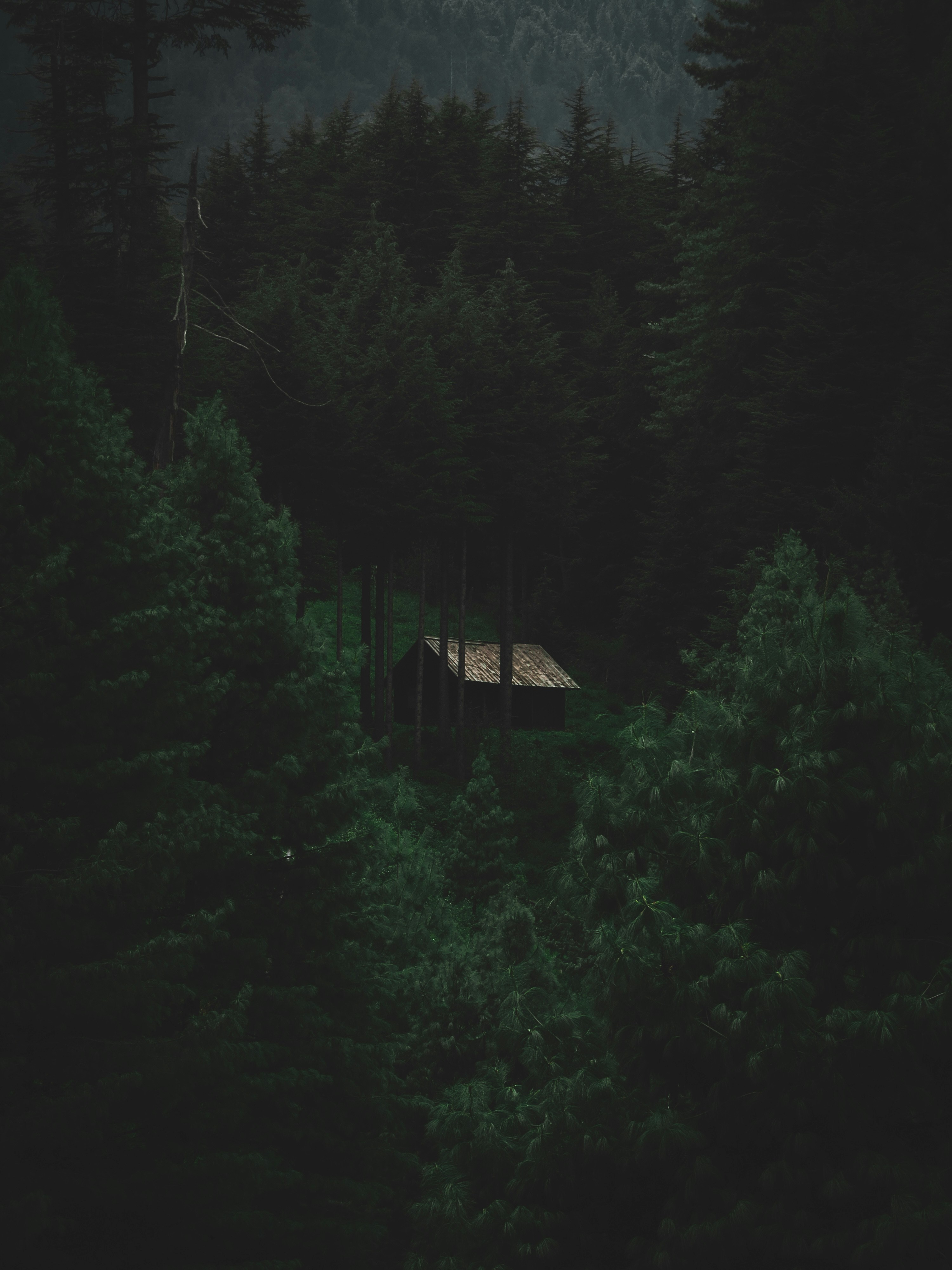
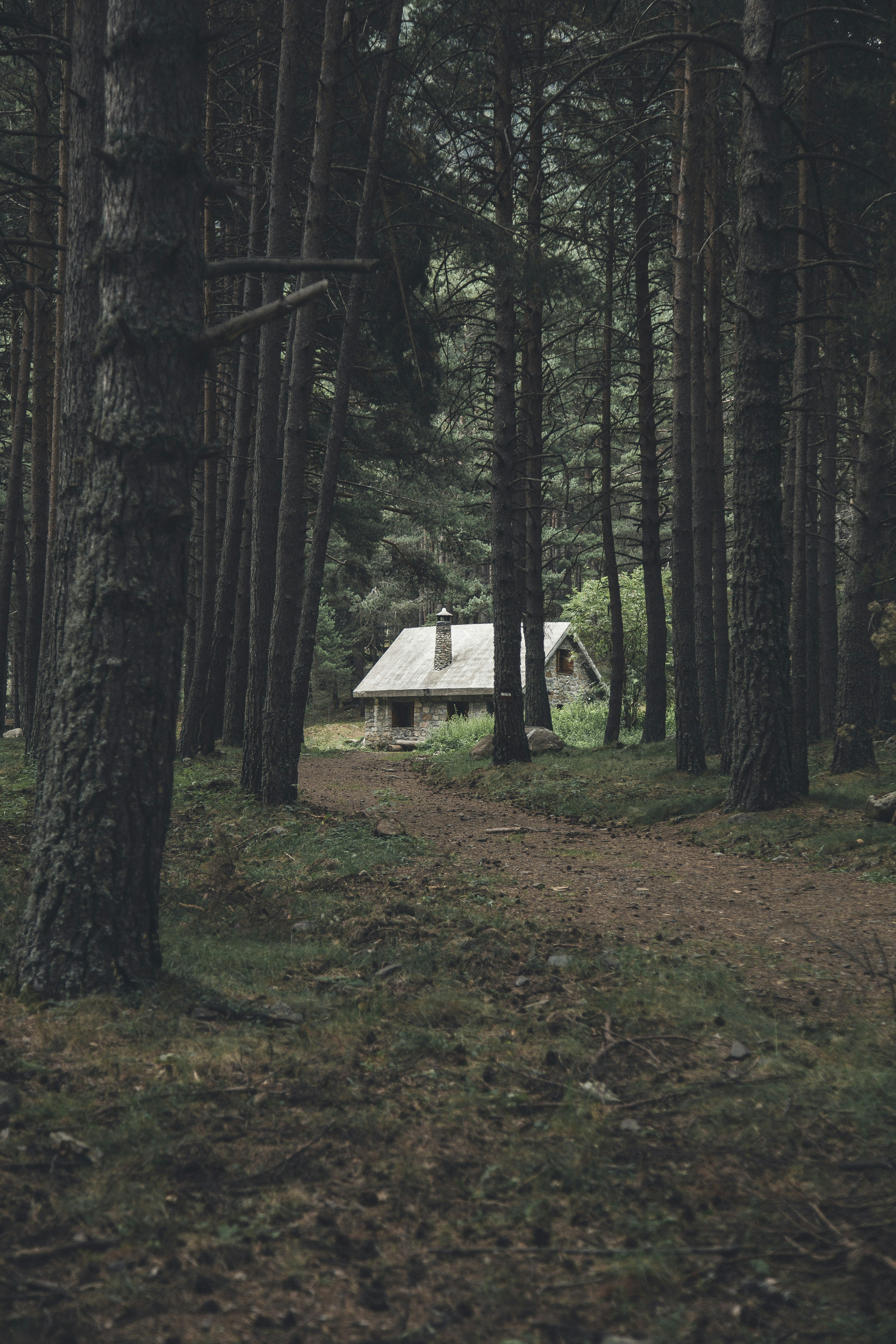
Most traditional cabins in New Hampshire and Vermont were built before remote work was common. They have basic amenities, but no consideration for work needs.
No WiFi, or WiFi so slow it's unusable. No dedicated workspace. No cell signal backup.
Good for a complete digital detox. Terrible for anyone who needs to work.
Coworking Space Cabin: WiFi But Noisy
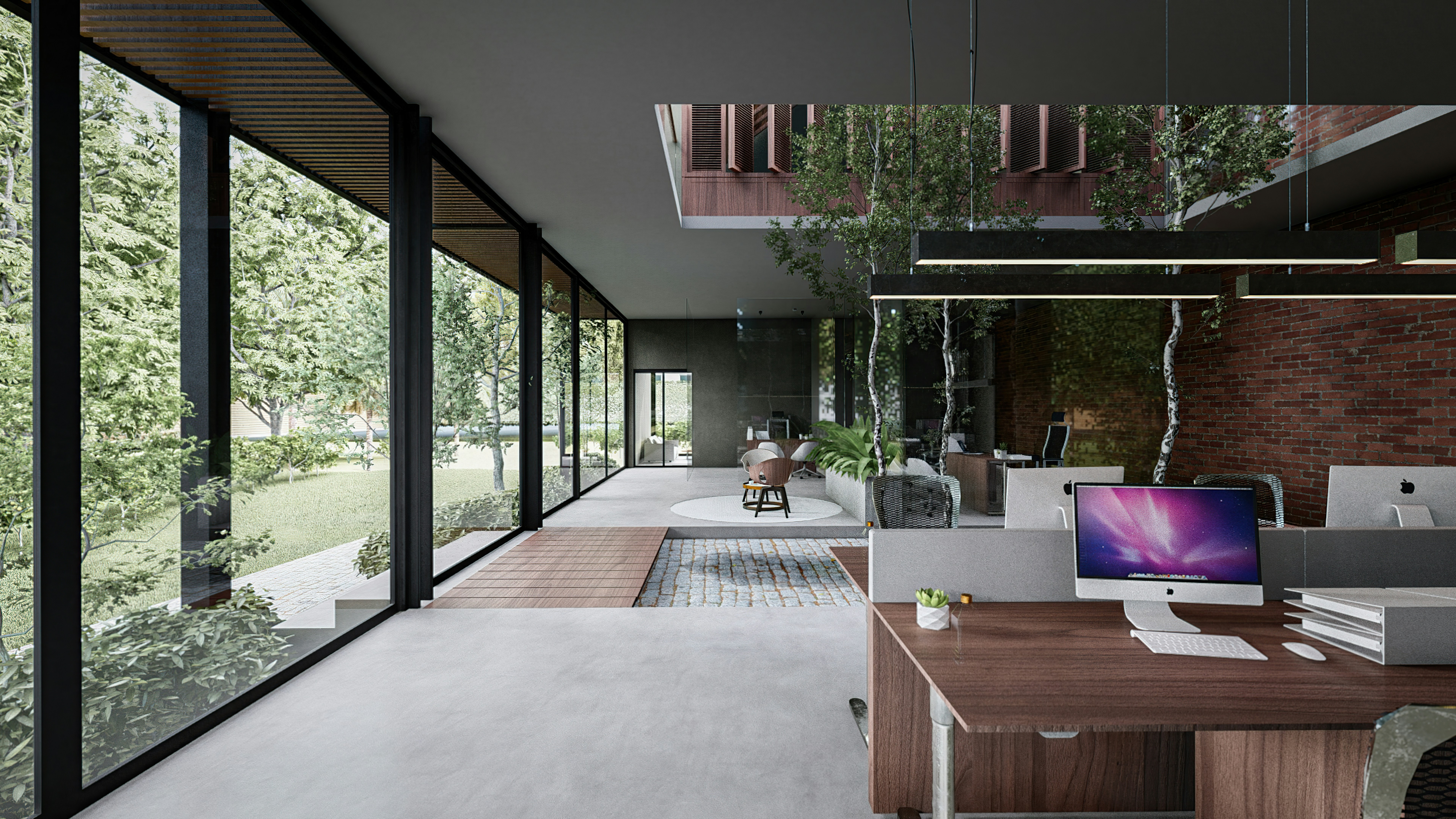
Some properties market themselves as "coworking cabins" — shared spaces with good internet and desk setups.
The WiFi works. The workspace exists. But you're surrounded by other remote workers.
You hear their calls. They hear yours. The constant awareness of other people prevents deep focus.
Good for those who like the energy of other people around. Not ideal for those who need complete quiet.

Airbnb with WiFi: Unreliable, Shared Space
Many Airbnbs now advertise WiFi and "remote work friendly" amenities. The quality varies wildly.
Some have fiber and deliver on the promise. Others have DSL that barely works. There's no way to know until you arrive.
Even when the internet works, most lack dedicated workspace. You're working from the dining table or bedroom.
Read reviews carefully. If multiple guests mention WiFi issues, believe them.
Northstead Retreat: Starlink WiFi, Dedicated Office, 27.7 Acres Quiet
I built this property specifically to solve the remote work dilemma, so I'm biased. But I'll tell you exactly what makes it work.
Northstead has Starlink internet — the same satellite system SpaceX uses for enterprise clients. Download speeds consistently hit 100+ Mbps. Upload speeds are 20+ Mbps.
It doesn't drop during storms or peak hours. It doesn't slow down when multiple devices are connected. It just works.
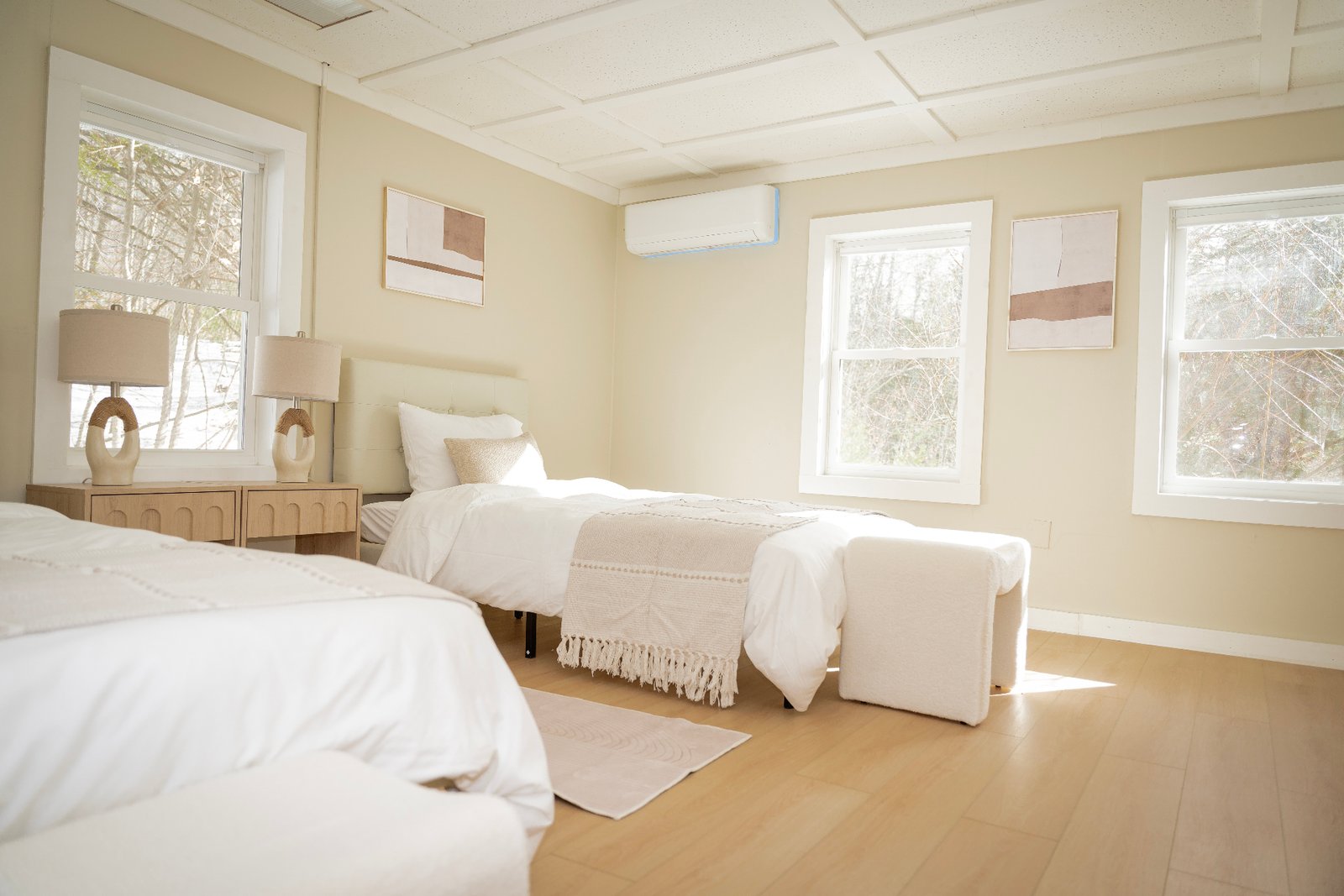
The dedicated office has a proper desk, ergonomic chair, dual monitor setup, and a door you can close. When you're done working, you walk out and you're in a completely different space.
The quiet is what surprises people most. No neighbors means no background noise. No traffic means no constant low-level hum. You can take calls without worrying about dogs barking or cars passing.
From Boston, it's 90 minutes via I-93 North. You can drive up Sunday evening, work Monday through Thursday, and have a full weekend in the mountains.
Or come for a week and mix deep work sessions with afternoon hikes. Work a few hours, step outside and reset, come back clear and focused.
Coffee on the deck between meetings tastes different when there's nothing in front of you but forest. Time stretches in a way it doesn't in the city.
See the workspaceUrban Cabin: WiFi But No Quiet
Some cities now have "cabin" rentals — small structures designed to look rustic but located in urban areas.
The WiFi is excellent. The workspace is functional. But you're still in a city.
You hear traffic. You see other buildings. The constant urban noise follows you inside.
Good for a change of scenery without leaving the city. Not good for those seeking actual quiet.
Why Starlink Changes Everything
Traditional rural internet relies on cable or DSL infrastructure. If you're more than a few miles from town, speeds drop and reliability becomes a gamble.
Starlink uses satellites, which means location doesn't matter. You get the same speeds in the middle of the forest as you would in a city.
For remote workers, this is transformative. It means you can have a remote work cabin with WiFi on 27 private acres with enterprise-grade internet.
You don't have to choose between connectivity and seclusion. You can have both.

How to Actually Work Productively from a Cabin
Having the right space and internet is half the equation. The other half is how you structure your time.
Set clear work hours. Just because you're in a beautiful location doesn't mean you should work all day. Set specific hours and stick to them.
Use the environment for breaks. Instead of scrolling your phone between tasks, step outside. Walk for 10 minutes. Let your eyes focus on something distant.
Separate work and rest spaces. Don't work from the couch or bedroom. Use the dedicated workspace during work hours, then physically leave it when you're done.
Take advantage of the quiet. Schedule your most demanding work for the morning when your focus is sharpest. Use the afternoon for meetings and administrative tasks.
The Unexpected Benefits of Remote Work Getaways
Most people come for the change of scenery. What they discover is that working from a truly quiet environment changes how they work.
You get more done in less time. Without constant interruptions, tasks that normally take three hours get done in 90 minutes.
Your thinking gets clearer. The combination of quiet and nature seems to unlock a different kind of focus. Problems that felt stuck suddenly have obvious solutions.
You sleep better. Working in natural light and taking breaks outside resets your circadian rhythm. You fall asleep faster and wake up more rested.
You return with better habits. After a week of focused work sessions and real breaks, you notice how fragmented your normal routine is. You start protecting your focus time more carefully.
"The best work happens when you have the space to think without interruption."
When to Choose a Remote Work Cabin
Not every work week needs to happen from a cabin. But certain situations call for it:
When you have a big project that needs deep focus. Writing, coding, strategic planning — anything that requires sustained concentration.
When you're between major deadlines. The week after a big launch or before a new project starts is perfect for a change of scenery.
When you need to reset your work patterns. If you've fallen into bad habits, a week in a different environment can help you establish better routines.
When you want to combine work and rest. Work Monday through Thursday, then have a full three-day weekend in the mountains.
The Real Value of Working from Quiet
The point of a remote work getaway isn't just to work from somewhere prettier. It's to experience what your work feels like when you remove all the friction.
No commute. No office interruptions. No background noise. No constant awareness of other people.
Just you, your work, and an environment designed to support deep focus.
When you experience that level of clarity, it changes your baseline. You realize how much energy you normally spend managing distractions.
You start protecting your focus more carefully, even after you return to your regular routine.