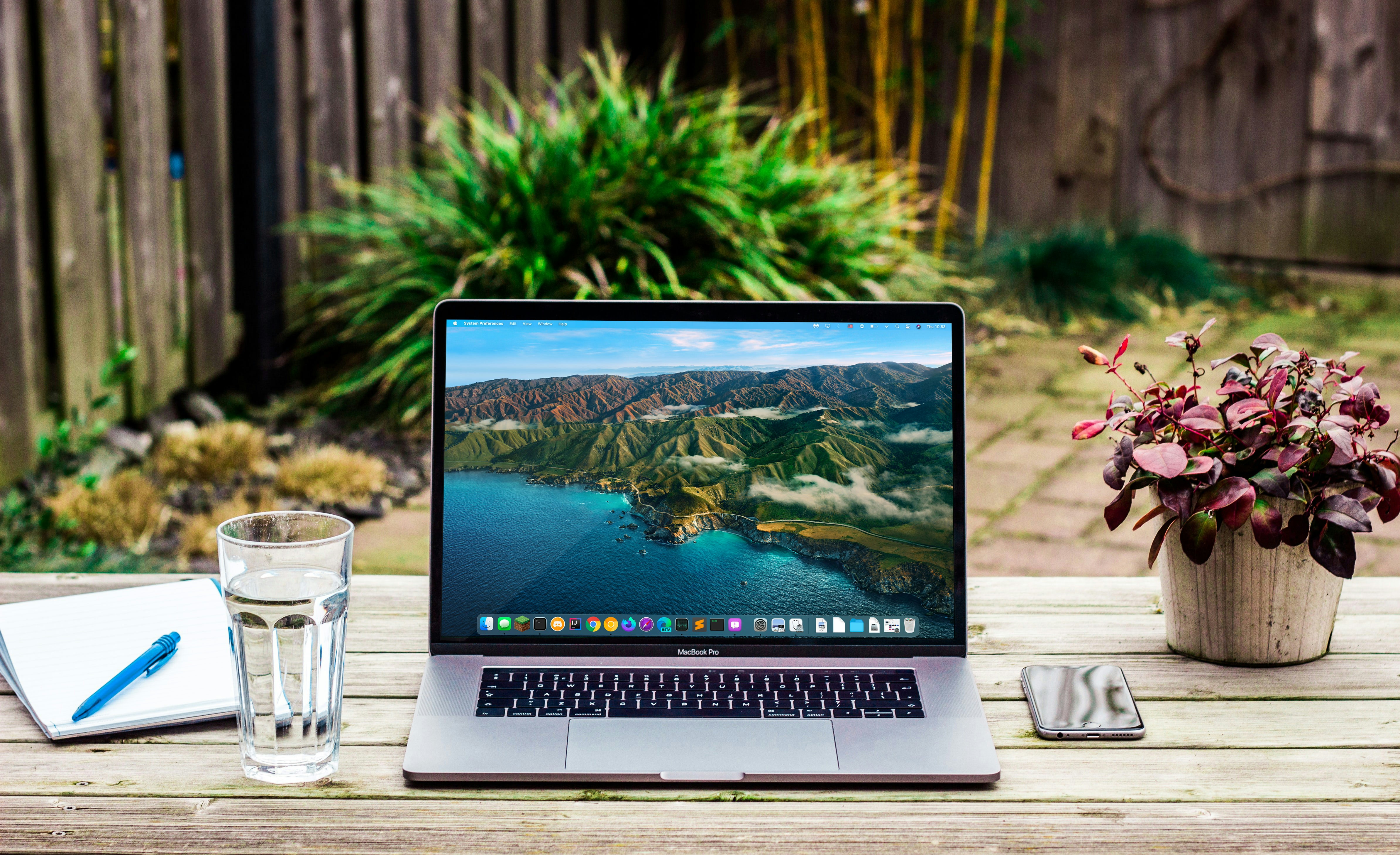
The "work from anywhere" movement promised freedom. But most remote work locations fall into two categories: sterile (hotels, coworking spaces) or distracting (coffee shops, home).
What's missing is the middle ground: a space that supports deep work while also providing the kind of environment that actually helps you think.
After hosting dozens of remote workers and small teams, I've learned what makes a private cabin different from traditional work locations.
The Problem with Hotels
Hotels are designed for transience, not productivity. The rooms are generic. The WiFi is unreliable. The walls are thin enough that you're constantly aware of other guests.
For a one-night business trip, this is fine. For a week-long offsite or focused work session, it's exhausting.
You can't fully relax because you're in a public space. You can't fully focus because the environment is designed for sleep, not work.
And if you're there with a team, you're stuck in conference rooms that feel like every other conference room you've ever been in.
The Problem with Coworking Spaces
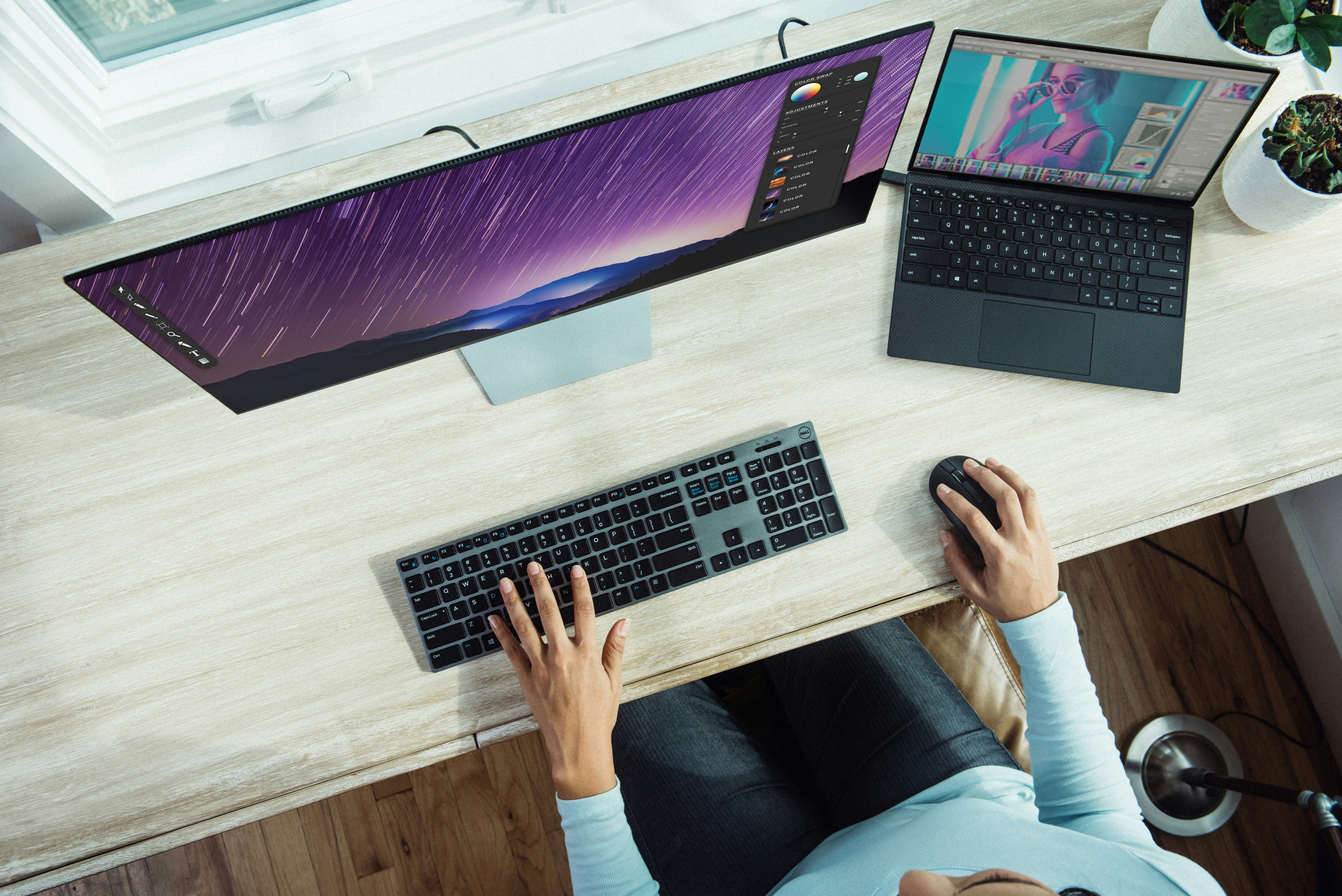
Coworking spaces solve the WiFi problem. They provide desks and meeting rooms. But they don't solve the fundamental issue: you're still surrounded by other people.
You hear their calls. They hear yours. The constant awareness of others prevents the kind of deep focus that produces breakthrough work.
And for team offsites, coworking spaces create the same problem as offices: you're in a professional environment that keeps everyone in "work mode." There's no space for the informal conversations that build real connection.
What a Private Cabin Offers
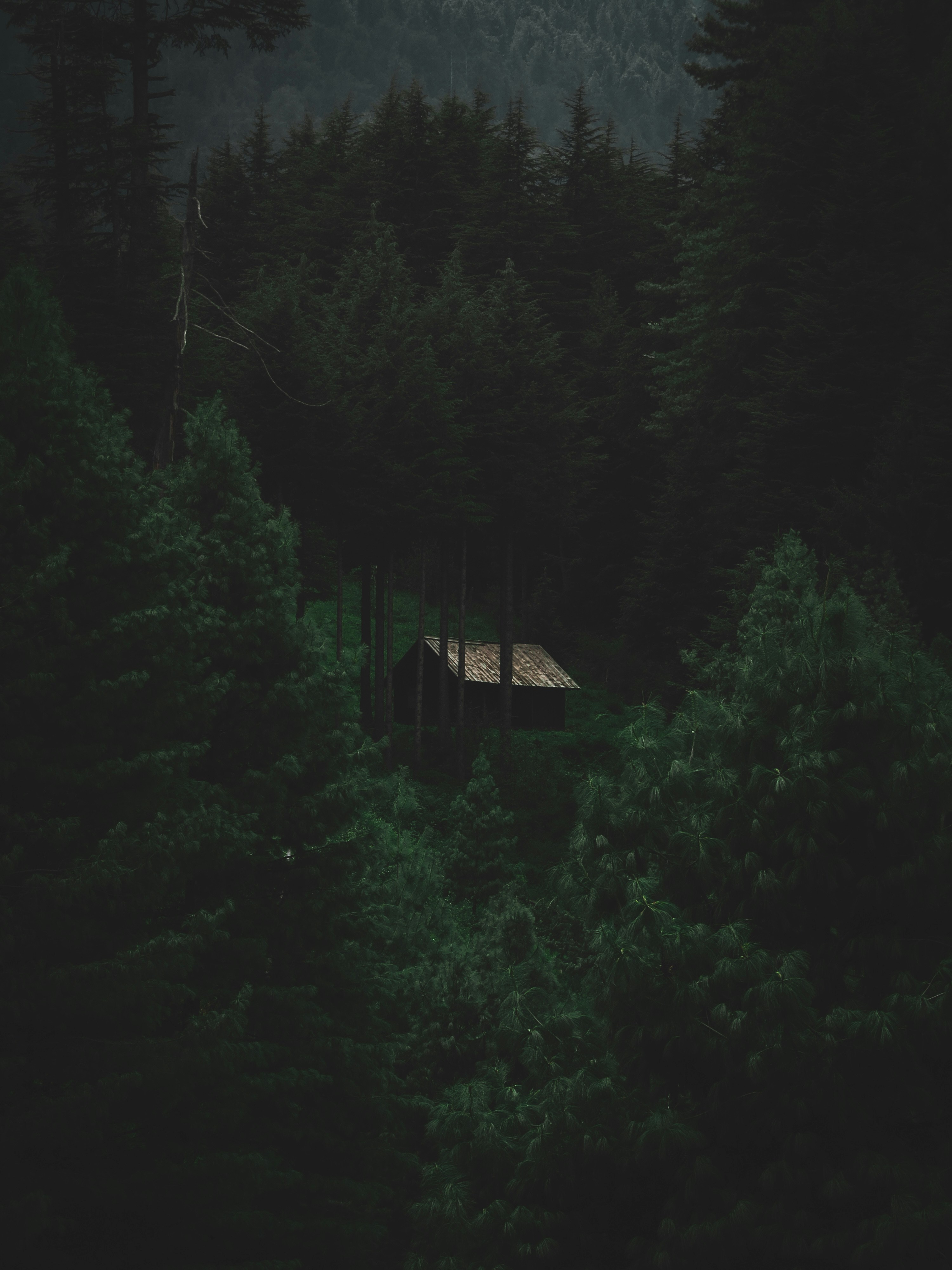
A private cabin on 27.7 acres solves both problems.
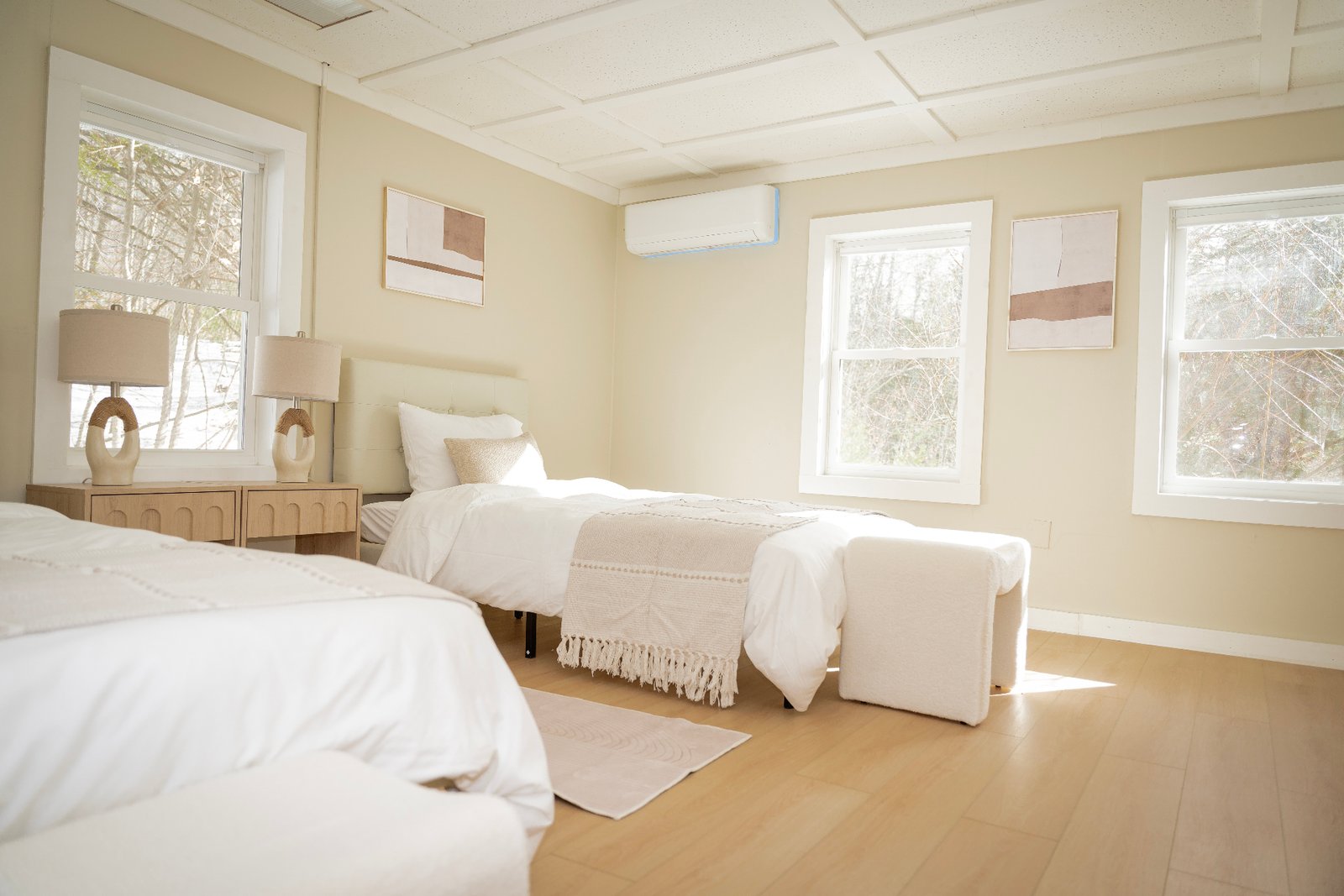
You get the infrastructure you need: reliable WiFi (Starlink), dedicated workspace, full kitchen, comfortable beds.
But you also get something you can't get in a hotel or coworking space: complete privacy.
No neighbors. No awareness of other people. No need to moderate your volume or behavior.
This creates conditions for both deep individual work and genuine team connection.
For Individual Deep Work
If you're a remote worker who needs to focus on a big project, a private cabin offers advantages you can't get anywhere else.
Actual quiet. Not "quieter than the city" but actual silence. No traffic, no neighbors, no background hum. Just you and your work.
Natural breaks. Instead of scrolling your phone between tasks, you step outside. Walk for 10 minutes. Let your eyes focus on something distant. Return to work refreshed.
Separation between work and rest. The dedicated workspace is for work. The rest of the cabin is for rest. This physical separation helps your brain shift between modes.
No commute. You wake up, make coffee, and you're at work. No lost time to traffic or public transit.
For Team Offsites
If you're planning a team offsite, a private cabin creates opportunities that hotels can't match.
Informal connection. The best team conversations don't happen in conference rooms. They happen while cooking dinner together, sitting around a fire, or taking a walk in the woods.
Flexible space. Work in the office when you need focus. Move to the living room for brainstorming. Take the discussion outside when you need fresh air. The space adapts to your needs.
Shared meals. Cooking and eating together creates connection in a way that catered conference room lunches never will.
Real downtime. After a day of meetings, your team can actually relax. No need to navigate a hotel lobby or find a restaurant. Just decompress together in a comfortable space.
The WiFi Question
The biggest concern people have about working from a cabin: will the internet actually work?
This is a legitimate concern. Traditional rural internet is often unreliable.
But Starlink changes everything. It's satellite-based, which means location doesn't matter. You get the same speeds in the middle of the forest as you would in a city.
At Northstead, we consistently see 100+ Mbps download and 20+ Mbps upload. That's more than enough for video calls, file sharing, and multiple devices.
And it doesn't drop during storms or peak hours. It just works.
What Makes It Work
A successful work-from-cabin experience requires three things:
Reliable infrastructure. Fast internet, comfortable workspace, full kitchen, good heating/cooling. The basics have to work.
Actual privacy. Not just a separate building, but real distance from other people. This is what allows deep focus.
Natural environment. Access to nature for breaks and mental reset. This is what makes the location better than a traditional office.
When all three are present, you get the best of both worlds: the productivity of a proper workspace and the restoration of a retreat.
Practical Considerations
If you're considering a cabin for remote work, here's what to look for:
Verify the internet. Don't just trust the listing. Ask for speed test results. Confirm it's reliable during video calls.
Check the workspace. Is there a dedicated office or desk? Proper chair? Good lighting? You can't work productively from a couch for a week.
Consider the commute. How far is it from your home? Can you get there easily after work on Friday?
Think about meals. Is there a full kitchen? Nearby grocery store? Meal planning matters for extended stays.
Assess the privacy. How much land? Can you see or hear neighbors? This affects your ability to fully disconnect.
When to Choose a Cabin Over Traditional Options
A private cabin makes sense when:
You have a big project that requires sustained focus
You're planning a team offsite and want real connection, not just meetings
You need to reset your work patterns and establish better habits
You want to combine productive work with actual rest
You're tired of the constant awareness of other people that comes with hotels and coworking spaces
Check cabin availabilityThe Unexpected Benefits
People come for the productivity. What they discover is that working from a truly quiet environment changes how they work.
Tasks that normally take three hours get done in 90 minutes because there are no interruptions.
Problems that felt stuck suddenly have obvious solutions because you have space to think.
Team dynamics improve because informal time together builds trust in a way that structured meetings never will.
And you return to regular work with better habits because you've experienced what's possible when you remove the friction.
Making It Sustainable
The most successful remote workers don't treat cabin work sessions as one-time events. They build them into their rhythm.
Maybe it's one week per quarter for deep work on strategic projects.
Maybe it's a monthly long weekend to reset and plan.
Maybe it's an annual team offsite that actually builds connection instead of just checking a box.
The specific rhythm doesn't matter. What matters is recognizing that environment affects output, and sometimes the best thing you can do for your work is change your location.