There's a specific kind of exhaustion that comes from living in Boston. It's not just the long hours or the packed T rides. It's the constant hum of activity, the awareness that you're always surrounded by people, the feeling that you can never fully turn off.
You know the feeling. Sunday evening arrives and you realize you haven't actually rested all weekend. You've been busy, sure — brunch, errands, social obligations — but you haven't stopped. You haven't had space to just... be.
This is Boston burnout. And it's different from work burnout because it follows you home.
What Boston Burnout Actually Looks Like
Boston burnout isn't dramatic. It's subtle. It creeps up on you over months until one day you realize you can't remember the last time you felt truly rested.
You might notice:
You're constantly tired, even after a full night's sleep
Small decisions feel overwhelming
You're irritable with people you care about
You can't focus on anything for more than a few minutes
The idea of doing anything social feels exhausting
These aren't signs of weakness. They're signs that your nervous system needs a break from the constant stimulation of city life.
Why Weekend Trips Don't Fix It
You've probably tried the usual solutions. A weekend in the Berkshires. A day trip to the Cape. A staycation at a nice hotel.
And they help, temporarily. But the relief doesn't last because you're not actually changing your environment in a meaningful way.
A hotel in the city is still in the city. You still hear traffic. You're still aware of other people. Your brain stays in "public mode."
A crowded beach or tourist town just replaces one kind of stimulation with another. You're still navigating crowds, still performing for others, still "on."
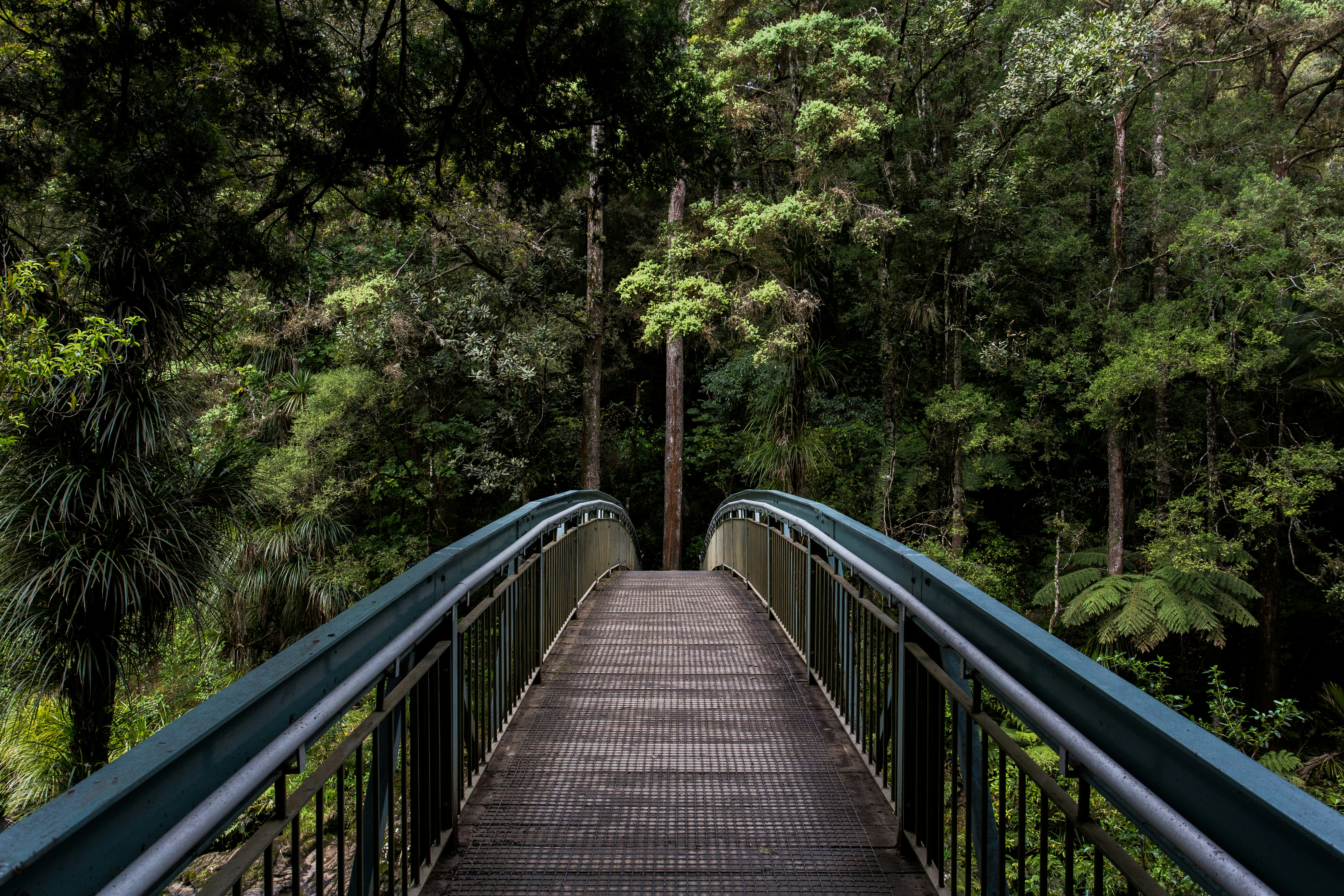
What you need is actual separation. Physical distance from other people. An environment different enough that your brain can shift out of its default patterns.
The Science of Why Nature Actually Helps
This isn't just feel-good advice. There's real science behind why spending time in nature helps with burnout.
When you're in a natural environment, your brain shifts from "directed attention" (the focused, effortful concentration required for work and city life) to "involuntary attention" (a more relaxed state where your mind can wander and restore itself).
Studies show that even brief exposure to nature reduces cortisol levels, lowers blood pressure, and improves mood. But the effects are stronger when you're in a truly natural environment — not a city park with traffic noise in the background.
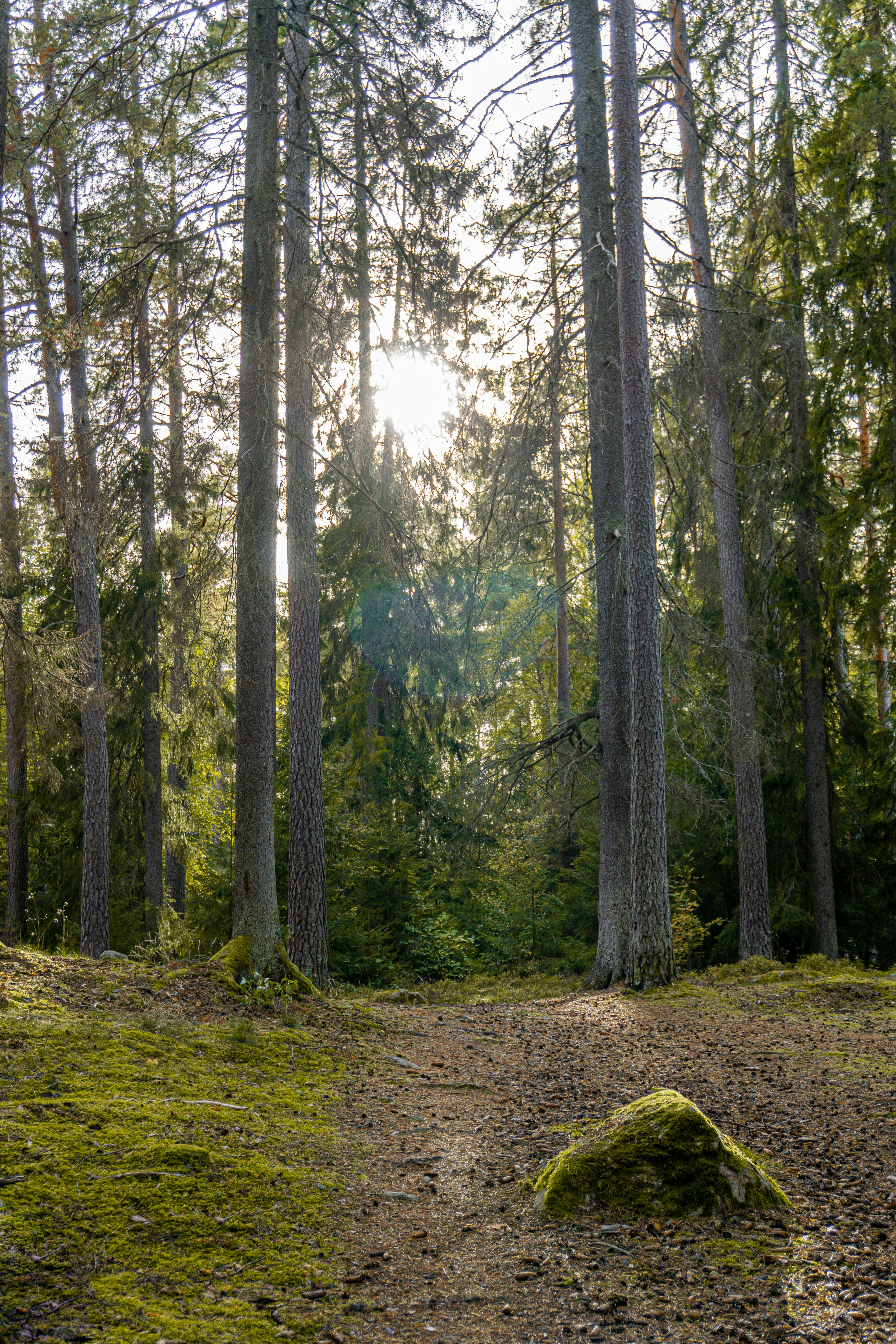
You need actual quiet. The kind where you can hear birds and wind instead of cars and sirens.
"In every walk with nature, one receives far more than he seeks." — John Muir
What Makes Northstead Different
I'm not going to pretend Northstead is the only place you can find quiet. But I will tell you what makes it different from most options within driving distance of Boston.
27.7 private acres means you're not sharing the property with anyone. No other guests. No neighbors in sight. No awareness of other people that keeps you in "public mode."
When you step outside in the morning, you don't hear anything except nature. No traffic. No construction. No background hum of civilization.
That silence is the first thing people notice. And it's what allows your nervous system to finally downshift.
What Actually Happens When You Arrive
Here's what guests typically experience:
The first few hours: You notice the quiet. It's almost disorienting. Your brain keeps waiting for the background noise that never comes.
The first evening: You realize you haven't checked your phone in hours. Not because you're trying to disconnect, but because you genuinely forgot about it.
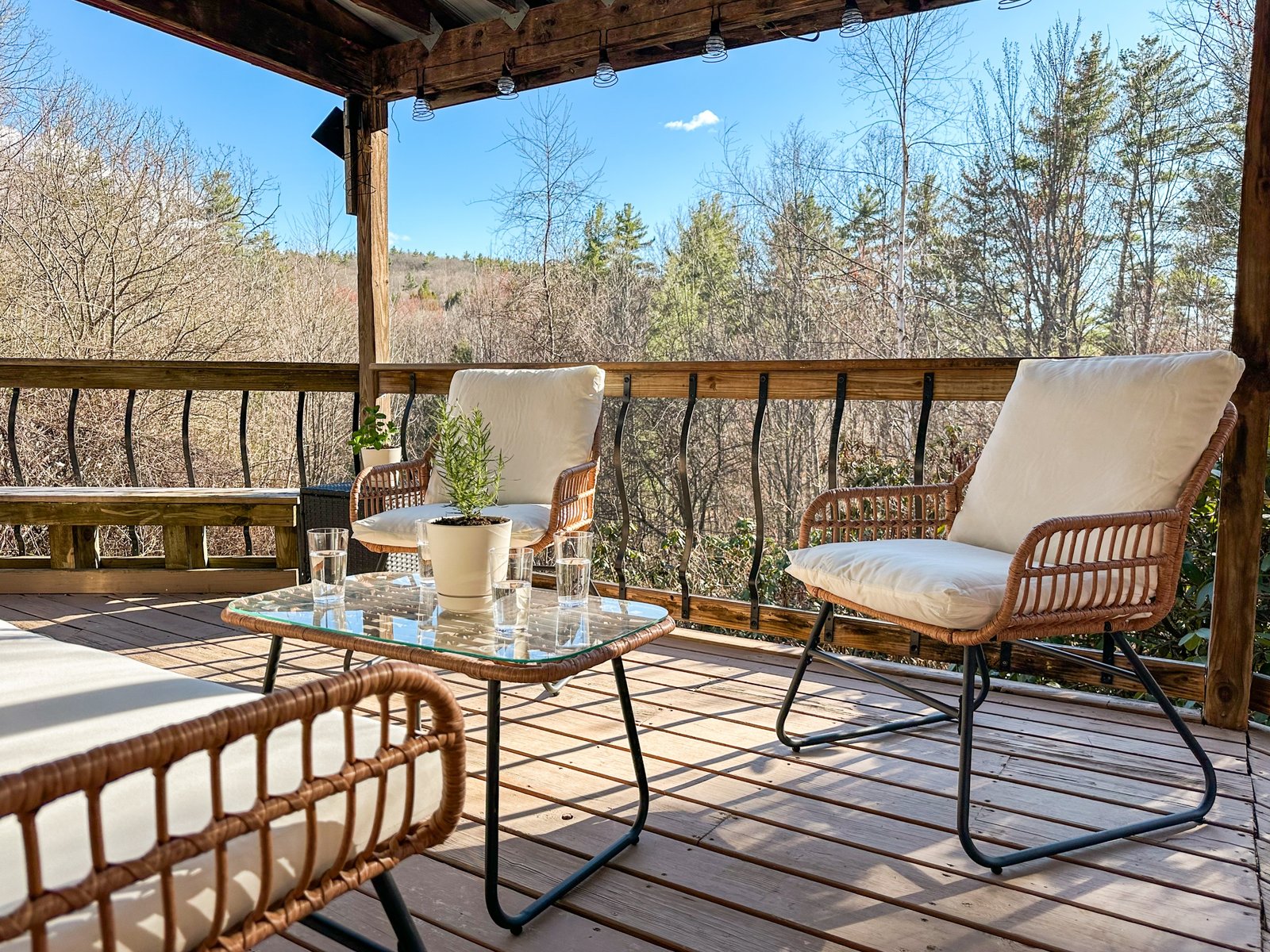
The first morning: You wake up naturally, without an alarm. The only sounds are birds. You make coffee and sit outside without immediately reaching for your phone.
The second day: Time starts to feel different. Slower. You read a book for two hours without realizing it. You have a conversation that doesn't feel rushed.
The third day: You notice your shoulders have dropped. Your jaw isn't clenched. You're breathing deeper. The constant low-level tension you didn't realize you were carrying has dissolved.
It's Not About Escaping Forever
The point isn't to leave Boston permanently. Most people love the city — the energy, the opportunities, the culture.
The point is to have a place you can go to reset. To remember what it feels like to be calm. To give your nervous system a break from the constant stimulation.
Two or three days at Northstead won't solve systemic burnout. But it will show you what's possible when you remove the noise.
And that memory matters. It gives you something to return to when the city starts to feel overwhelming again.

Practical Details That Matter
From Boston, it's 90 minutes via I-93 North. You can leave after work Friday and be here before dark.
The cabin has everything you need: full kitchen, comfortable beds, reliable WiFi (Starlink), dedicated workspace if you need to work remotely.
But more importantly, it has what you can't get in the city: space, quiet, and the kind of privacy that lets you actually relax.
You don't have to plan activities or fill every hour. The point is to have unstructured time. To let yourself be bored. To remember what it feels like when time isn't fragmented into 15-minute blocks.
Who This Is For
This isn't for everyone. Some people thrive on the energy of the city and don't need breaks from it.
But if you recognize yourself in any of this — the constant tiredness, the inability to fully relax, the feeling that you're always "on" — then you might benefit from actual separation from the city.
Not a weekend trip to another crowded place. Not a staycation where you're still in the same environment.
Actual space. Actual quiet. Actual privacy.
Check availabilityThe Real Value
The value of a place like Northstead isn't just the time you spend here. It's what you carry back with you.
You remember what it feels like to be calm. You have a reference point for what your baseline should be.
And when the city starts to feel overwhelming again — and it will — you know there's a place you can go to reset.
That knowledge alone makes the noise more bearable.