When was the last time you experienced true silence? Not quiet — silence. The complete absence of human-generated sound.
For most people, the answer is: they can't remember. We've normalized constant noise to the point where silence feels uncomfortable, even threatening.
But your nervous system needs silence. Not as a luxury, but as a biological necessity.
The Neuroscience of Silence
Your brain processes every sound, even when you're not consciously aware of it. Traffic, HVAC systems, conversations, notifications — each one requires cognitive resources.
This constant processing is exhausting. It's why you can feel drained even when you haven't done anything particularly demanding. Your brain has been working all day just to filter out background noise.
Silence gives your brain a break. Research shows that even two minutes of silence can lower blood pressure and heart rate more effectively than "relaxing" music.
More remarkably, a 2013 study found that two hours of silence per day prompted cell development in the hippocampus — the brain region associated with memory formation and emotional regulation.
Silence isn't just the absence of noise. It's an active state that allows your brain to restore and regenerate.

Why Quiet Matters
The World Health Organization has identified noise pollution as a major public health concern. Chronic noise exposure increases stress hormones, disrupts sleep, impairs cognitive function, and increases cardiovascular risk.
But the impact goes beyond physical health. Constant noise affects how you think, feel, and relate to the world.
When you're never in silence, you lose access to your inner voice. The quiet thoughts that emerge only when external stimulation stops. The insights that come from reflection rather than reaction.
You lose the ability to simply be with yourself. To sit with your thoughts and feelings without immediately reaching for distraction.
This isn't just uncomfortable — it's a loss of self-knowledge and emotional regulation.
The Absence of Traffic
Step outside in a city and you hear it immediately: the constant hum of traffic. Even when you can't see cars, you hear them. A low-frequency rumble that never stops.
Your brain adapts to this. You stop consciously noticing it. But adaptation doesn't mean it's not affecting you.
Then you experience true silence — no traffic, no engines, no mechanical sounds — and you realize what you've been missing. The absence of that constant rumble feels like a weight lifting.
Your shoulders drop. Your jaw unclenches. Your breathing deepens. Your nervous system finally downshifts from constant vigilance.
"Silence is not an absence but a presence. Not an emptiness but a fullness." — Anne D. LeClaire
Wind Through Trees
Natural sounds are different from human-generated noise. Your brain processes them differently.
The rustle of wind through trees is rhythmic and predictable. It doesn't trigger the same alertness response as traffic or voices. Instead, it allows your nervous system to relax.
Birdsong in the distance — not the aggressive calls of city birds competing with traffic, but the gentle morning chorus of a forest — creates a soundscape that supports rest rather than demanding attention.
These natural sounds don't break silence. They enhance it. They remind you that quiet doesn't mean absence — it means the presence of something more fundamental than human noise.

The Physical Relaxation
Notice what happens in your body when you finally experience silence. The tension you've been carrying — in your shoulders, your jaw, your chest — begins to release.
This isn't just psychological. It's a physiological response. Your nervous system shifts from sympathetic (fight or flight) to parasympathetic (rest and digest) activation.
Your heart rate slows. Your breathing deepens. Your muscles relax. Your digestive system starts working properly again.
This is what rest actually feels like. Not the exhausted collapse at the end of a noisy day, but the genuine restoration that comes from giving your nervous system a break from constant stimulation.
Why Silence Feels Uncomfortable
If you're used to constant noise, silence can feel unsettling at first. Your brain keeps waiting for the next sound. The absence feels wrong.
This discomfort is a sign of how adapted you've become to overstimulation. Your nervous system has recalibrated to expect constant input.
But this adaptation comes at a cost. You've lost your tolerance for the quiet that your brain actually needs.
The good news: this tolerance can be rebuilt. Usually within a few hours of being in true silence, the discomfort fades. Your nervous system remembers what it's supposed to feel like.
Finding True Silence
True silence is increasingly rare. Even in rural areas, you often hear distant traffic, aircraft, or machinery.
The best places for silence are:
Remote natural areas far from roads and flight paths
Private properties on large acreage that create a buffer from human noise
Wilderness areas with restricted access
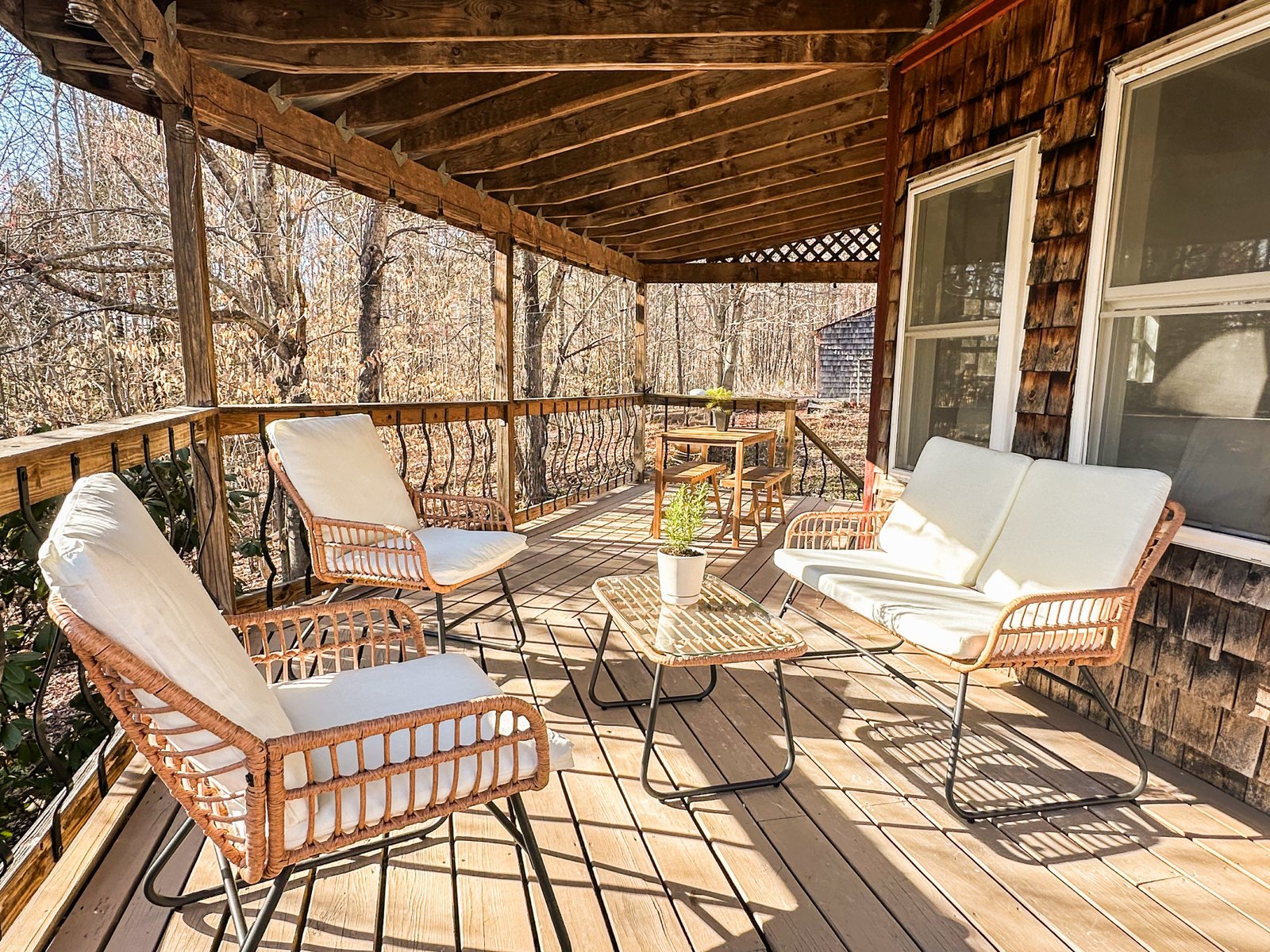
At Northstead, the 27.7 private acres create natural silence. You're far enough from roads that you don't hear traffic. No neighbors means no human voices or activity.
What you hear instead: wind moving through trees, distant birdsong, occasionally a branch falling. Natural sounds that allow your nervous system to settle into genuine rest.
Small Steps Toward Silence
You don't need to move to the mountains to benefit from more silence. Start small:
Create silent mornings. Don't turn on music, podcasts, or TV first thing. Let your morning be quiet.
Take silent walks. Leave your headphones at home. Just walk and listen to the environment.
Build in silent breaks. Between tasks, instead of scrolling your phone, just sit quietly for two minutes.
Reduce background noise. Turn off the TV when you're not actively watching. Notice what sounds you can eliminate.
Protect your sleep. Make your bedroom as quiet as possible. Use earplugs if necessary.
These small practices create pockets of silence in your daily life. They help rebuild your tolerance for quiet.
The Luxury of Silence
Silence has become a luxury because it's so rare. In cities, you can't buy it. No amount of money can eliminate the background noise of urban life.
But it's a luxury you deserve. Not as an indulgence, but as a necessity for your mental and physical health.
Your brain needs periods of silence to function optimally. Your nervous system needs quiet to restore itself. Your creativity needs space to emerge.
Seeking out silence isn't selfish or escapist. It's self-care in the most fundamental sense.
What Silence Gives You
When you spend time in true silence, you gain access to things that constant noise obscures:
Clarity. Without external noise, you can hear your own thoughts. Problems that felt overwhelming become manageable.
Creativity. New ideas emerge in the space that silence creates. Connections form that constant stimulation prevents.
Emotional regulation. You can actually feel your feelings instead of constantly distracting yourself from them.
Rest. Real rest, not just the absence of activity. The kind that actually restores you.
Presence. When you're not processing constant noise, you can be fully present with whatever is in front of you.
Your Right to Silence
You don't need to earn silence. You don't need to justify wanting it. It's not a reward for productivity or a luxury for the privileged.
Silence is a basic human need. Your brain requires it to function properly. Your nervous system needs it to restore itself.
In a world that profits from your constant attention and stimulation, choosing silence is an act of self-preservation.
It's reclaiming your right to rest, to think, to simply be without constant input.
Find the quiet