Walk into a well-designed Scandinavian space and you feel it immediately. Your shoulders drop. Your breathing slows. The visual noise that follows you everywhere else simply... stops.
This isn't accident. It's the result of design principles refined over centuries in the Nordic countries, where long, dark winters made interior spaces essential for wellbeing.
The Hygge of Simplicity
Hygge — the Danish concept of cozy contentment — isn't about adding more. It's about removing everything that doesn't serve comfort or function.
In a Scandinavian retreat space, every object has a purpose. There are no decorative items that exist just to fill space. No visual clutter competing for your attention.
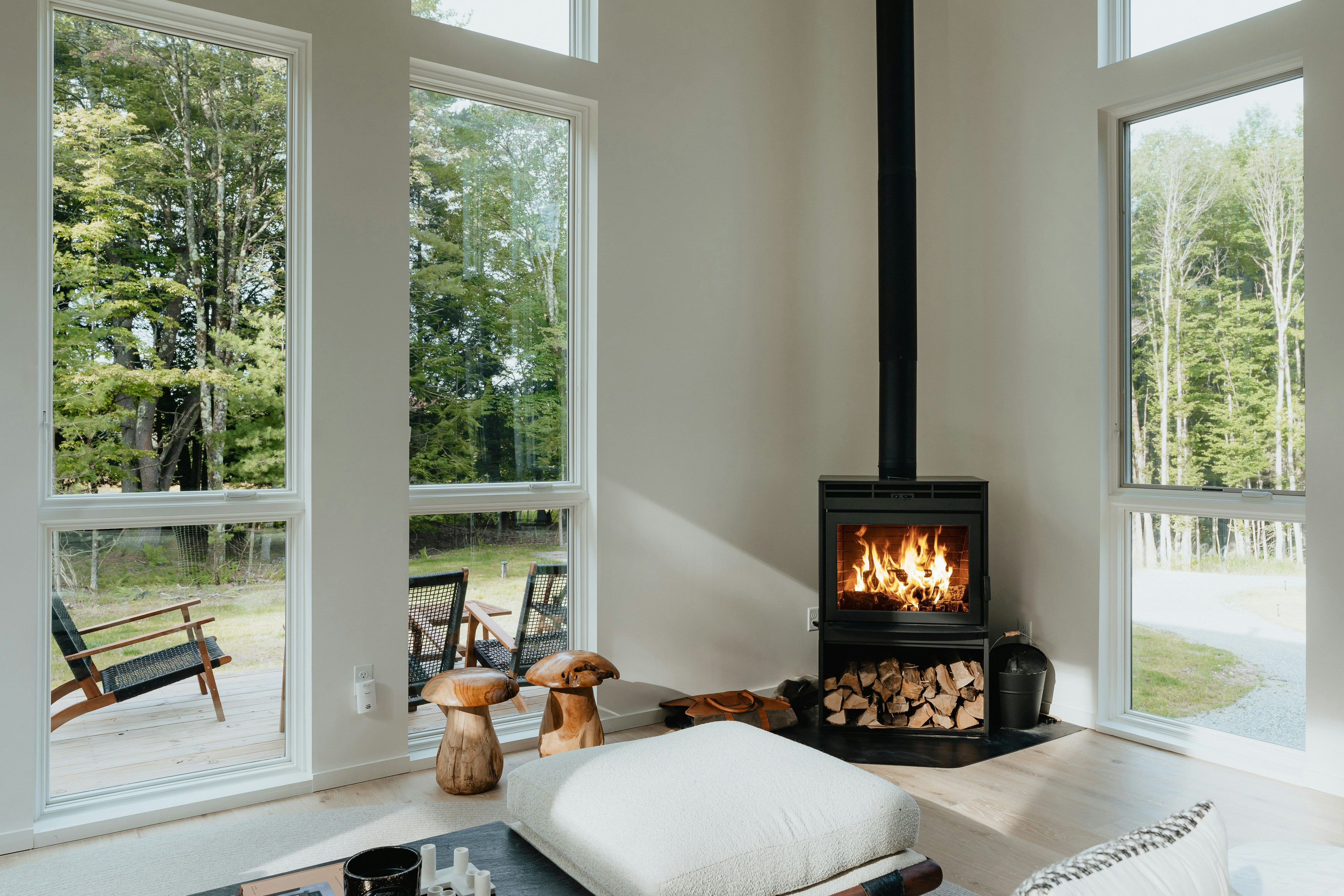
What remains is intentional: a comfortable chair positioned to catch morning light, a simple wooden table with clean lines, windows that frame the forest rather than obscure it with heavy curtains.
This simplicity isn't cold or sterile. It's warm and inviting precisely because it doesn't overwhelm you with choices or stimulation.
Natural Materials, Natural Calm
Run your hand along a pale wood surface and you feel the grain — subtle variations that remind you this was once a living tree. The texture is warm, slightly rough, honest.
Scandinavian design prioritizes natural materials: wood, stone, linen, wool. These materials age gracefully. They develop character rather than looking worn.
More importantly, they create a sensory connection to nature even when you're indoors. The visual warmth of wood grain. The tactile comfort of linen. The solid presence of stone.
These materials don't demand attention. They provide a quiet, grounding presence that allows your mind to settle.
Light as a Design Element
In Nordic countries, where winter days are short and dark, light becomes precious. Scandinavian design treats it as a material to be shaped and directed.
Large windows maximize natural light. Pale wood and white walls reflect it deeper into the space. Sheer curtains filter it without blocking it.
The result is a quality of light that changes throughout the day. Soft and diffused in the morning. Bright and clear at midday. Warm and golden in the evening.
This connection to natural light cycles helps regulate your circadian rhythm. You wake more naturally. You sleep more deeply. Your body remembers its natural patterns.
"Have nothing in your house that you do not know to be useful, or believe to be beautiful." — William Morris
The Power of Uncluttered Calm
Visual clutter creates mental clutter. When your environment is full of objects competing for attention, your brain never fully rests.
Scandinavian design eliminates this cognitive load. Clean surfaces. Hidden storage. Everything in its place.
This isn't about being obsessively tidy. It's about creating an environment where your mind can actually relax because it's not constantly processing visual information.
At Northstead's Scandinavian-inspired retreat, this principle extends to every room. No unnecessary decoration. No visual noise. Just calm, functional beauty.

Functionality Without Sacrifice
Scandinavian design never sacrifices function for aesthetics. Every beautiful object must also be useful. Every useful object should be beautiful.
A chair isn't just visually pleasing — it's comfortable for long conversations. A table isn't just a surface — it's the right height for working or dining. Storage isn't just hidden — it's accessible and intuitive.
This marriage of form and function creates spaces that work effortlessly. You don't have to think about how to use them. Everything feels natural and obvious.
Color as Calm
Scandinavian color palettes are deliberately restrained. Whites, grays, pale woods, with occasional muted earth tones.
This isn't boring — it's strategic. Neutral backgrounds allow natural materials and changing light to become the visual interest.
When color appears, it's intentional: a soft gray-blue that echoes the sky, a warm terracotta that brings in earth tones, deep forest green that connects to the landscape outside.
These colors don't compete with each other or with the natural environment. They create a cohesive whole that feels peaceful rather than stimulating.
Texture Over Pattern
Instead of busy patterns, Scandinavian design uses texture to create visual interest. The grain of wood. The weave of linen. The nubby surface of wool.
These textures are subtle. They don't demand attention, but they reward it when you look closely or touch them.
This approach creates depth without visual noise. The space feels rich and layered, but never overwhelming.
Connection to Nature
Scandinavian design doesn't try to compete with nature — it frames it. Large windows become living paintings of the forest. The changing seasons become part of the interior experience.
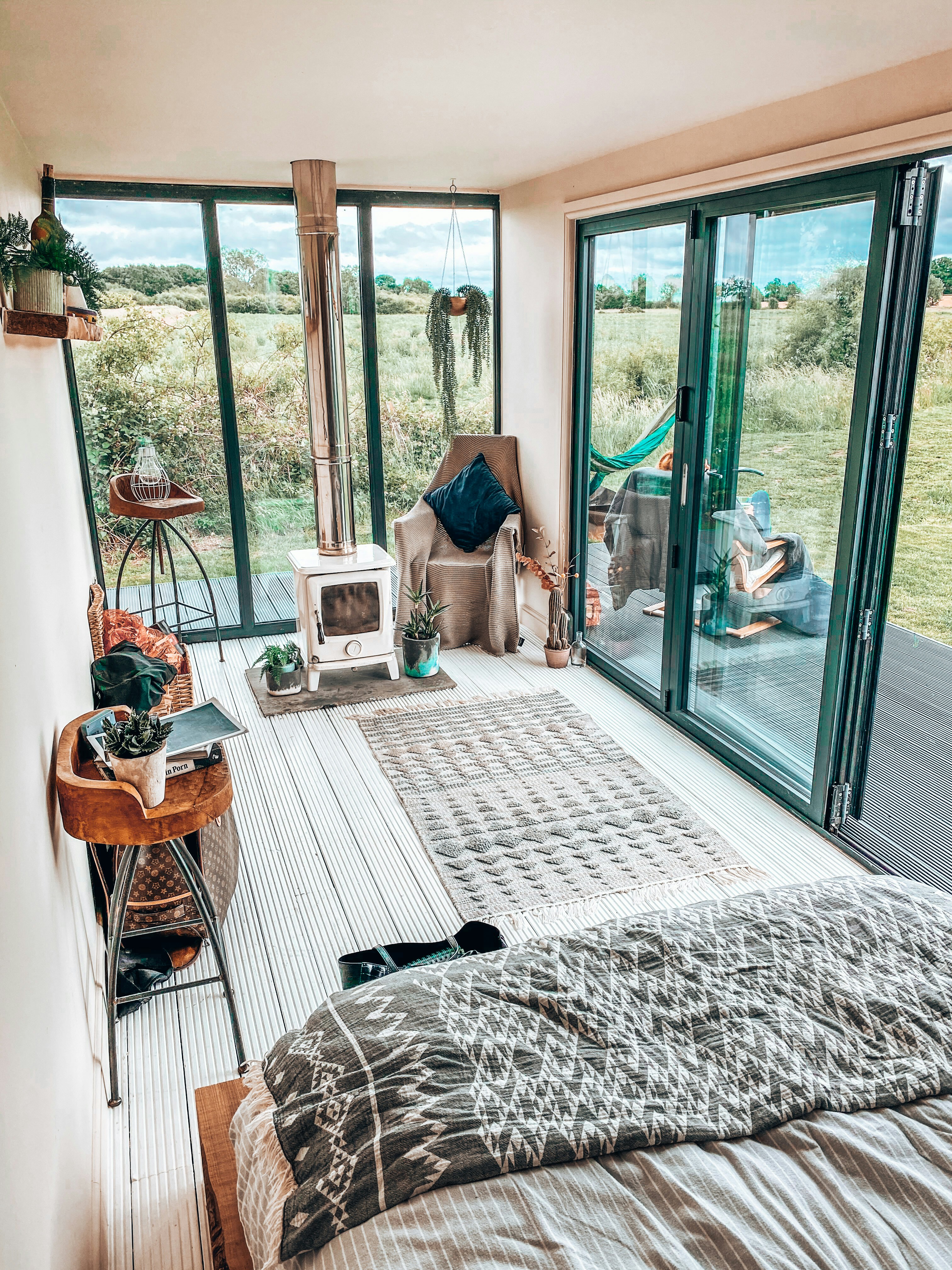
Indoor plants aren't decorative afterthoughts. They're integrated into the design, bringing life and movement into the space.
Natural materials create a bridge between inside and outside. The wood in the floor echoes the trees beyond the window. Stone surfaces connect to the mountain landscape.
This blurring of boundaries helps you feel part of the natural environment even when you're indoors.
Why This Matters for Retreats
When you're trying to reset and restore, your environment matters more than you might think. A cluttered, overstimulating space keeps your nervous system on alert.
Scandinavian design creates the opposite: an environment that actively supports rest and clarity.
The simplicity reduces cognitive load. The natural materials ground you. The connection to light and nature helps regulate your body's rhythms.
You don't have to think about the space. It just works, allowing you to focus on why you came: to rest, to think, to reset.
Creating Your Own Calm Space
You don't need to redesign your entire home to benefit from these principles. Start small:
Clear one surface completely. Notice how it feels to have that visual rest.
Replace one synthetic material with a natural one. Feel the difference in texture and warmth.
Remove one decorative item that doesn't serve a purpose. See if you miss it.
These small changes compound. They create pockets of calm in your daily environment.
The Northstead Approach
At Northstead, Scandinavian design principles aren't just aesthetic choices — they're functional decisions that support your retreat experience.
Pale wood and white walls maximize the forest light. Simple furniture creates space for your thoughts. Natural materials ground you in the present moment.
The result is a space that doesn't demand anything from you. It simply holds space for whatever you need: rest, clarity, creativity, or just the ability to finally think without interruption.
See the retreat